
 By
By 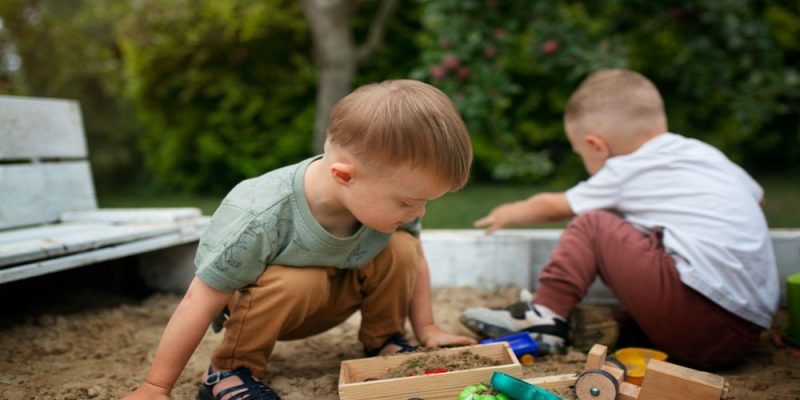
Key Highlights
- Nursery 1 focuses heavily on sensory exploration, socialisation, and the development of basic self-help skills like potty training.
- The transition to Nursery 2 introduces more structured academic concepts, including early literacy, numeracy, and longer focus periods.
- Age is a primary factor for enrolment, but developmental readiness and emotional maturity also play crucial roles in choosing the right level.
- Understanding the teacher-to-student ratios at each level can help parents manage their expectations regarding individualised attention and care.
Introduction
With various levels ranging from playgroup to kindergarten, it is difficult to pinpoint exactly where your child belongs. Two of the most significant stages in this journey are the Nursery 1 and Nursery 2 levels. Deciding on a Nursery 1 programme in Singapore involves looking at how your child interacts with the world through their senses. A Nursery 2 programme in Singapore begins to prepare them for the more rigorous demands of kindergarten.
The Focus of a Nursery 1 Programme
At the Nursery 1 level, which typically caters to children aged two to three, the primary goal is to foster a sense of independence and social awareness. A Nursery 1 programme in Singapore prioritises learning through play, where children engage in sensory-rich activities like sand play, water exploration, and finger painting. During this stage, educators focus on gross and fine motor skills, encouraging children to climb, jump, and handle small objects with increasing precision.
Stepping Up to Nursery 2
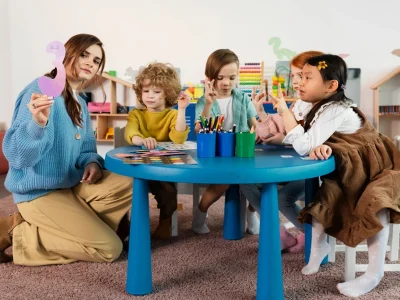
As children move into the three-to-four-year-old bracket, the curriculum undergoes a noticeable shift toward more structured learning. A Nursery 2 programme in Singapore serves as the bridge between the purely exploratory toddler years and the more academic focus of kindergarten. While play remains a vital component, there is a greater emphasis on pre-literacy and numeracy skills. Children begin to recognise letters, phonics sounds, and numbers, often through interactive games and storytelling.
Developmental Readiness Indicators
Some children may be chronologically ready for a Nursery 2 programme in Singapore but might still require the sensory-focused support of a younger group. Conversely, a child in a Nursery 1 programme in Singapore might show advanced social skills that suggest they are ready for more challenges. If you are unsure about your child’s current standing, you should feel free to contact us for a professional observation or consultation to ensure the right fit.
Comparing Teacher-to-Student Ratios
Because younger children require more hands-on assistance with basic needs like feeding and hygiene, the teacher-to-student ratio in a Nursery 1 programme in Singapore is generally lower. By the time they reach a Nursery 2 programme in Singapore, the ratio slightly increases as children become more self-sufficient. This shift is intentional, as it encourages children to look to their peers for social cues and begin solving minor problems independently, which is a vital skill for their future schooling.
Social and Emotional Growth Milestones
In a Nursery 1 setting, children often engage in parallel play, where they play alongside each other without much direct interaction. However, by the time they enter a Nursery 2 programme in Singapore, you will notice a shift toward collaborative play. These social milestones are carefully monitored by teachers, who use these interactions to teach emotional regulation and conflict resolution in a supportive environment.
The Role of Parent-Teacher Communication
Parents often have questions about daily routines, appetite, or social progress. If you ever have concerns about how your child is settling into their Nursery 1 programme in Singapore, we encourage you to contact us to schedule a meeting. Similarly, as the year progresses and you look toward the next level, staying in touch with the teaching staff will give you a clear picture of your child’s growth and areas that might need extra encouragement.
Making the Final Decision
If your child is still mastering basic independence and social interaction, the nurturing environment of a Nursery 1 programme in Singapore is likely the best choice. However, if they are showing a keen interest in symbols, letters, and more complex group play, they may be ready for the structured challenges of a Nursery 2 programme in Singapore. Remember that every child follows their own timeline, and the most important factor is that they feel happy and secure in their learning environment.
Conclusion
Navigating the various stages of early childhood education in Singapore requires a thoughtful approach to both age and developmental milestones. While Nursery 1 provides the foundational sensory and social skills needed for independence, Nursery 2 introduces the cognitive building blocks for future academic success. By understanding the specific goals of each level, parents can ensure that their children are placed in an environment that matches their current abilities while gently pushing them toward their full potential.
To find the perfect starting point for your child’s educational journey, contact us to arrange a visit at Orange Tree Preschool today.




Comments