
 By
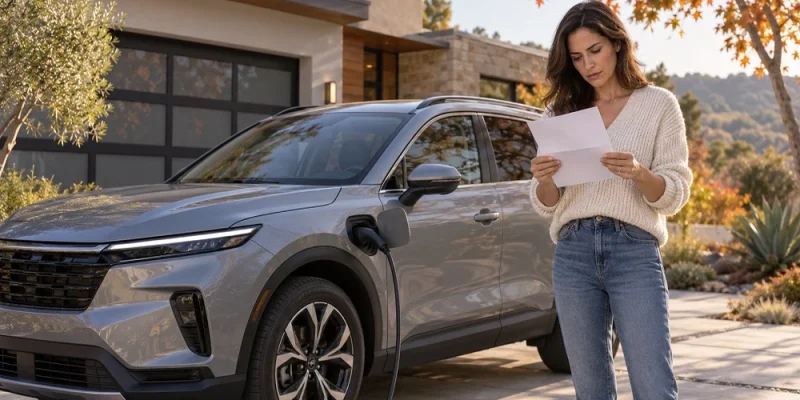
Toyota’s October 2026 recall announcement raises an immediate question for affected RAV4 plug-in hybrid owners: what should happen next? The answer starts with confirming whether the vehicle is included and following current safety and repair instructions. Questions about a separate warranty remedy require a closer look at the individual vehicle.
This briefing reflects the announcement available on October 28, 2026. Recall information can change, so owners should check current manufacturer and federal records rather than rely on an article as their only update.
The Announcement In Brief
Toyota’s October 7 recall announcement covers certain model-year 2026 RAV4 plug-in hybrid electric vehicles, approximately 31,000 in the United States. It identifies a possible electronic control unit fault that can shut down the plug-in hybrid system while driving, causing loss of motive power and increasing crash risk.
The announced remedy is a no-cost software update to the affected control unit. Toyota said it would notify affected owners by early December 2026. That is the announcement’s notification schedule, not a promise that every owner will receive an identical appointment or completion date.
The scope matters. The notice does not describe every Toyota, every RAV4 or every model year. A similar dashboard warning on another vehicle does not mean it’s part of this campaign.
What California Owners Should Confirm
Owners considering Toyota lemon law questions can use Seven Law Group’s Toyota information as a starting point for an individual assessment. First, assemble the VIN, warranty documents, recall notice and any records of actual symptoms or repairs.
Use the NHTSA recall lookup to check the specific vehicle. NHTSA explains that VIN results identify unrepaired recalls, while recently announced campaigns may take time to appear for every affected VIN. A search showing no open recall also does not provide a complete history of previously completed recall work.
Save the result and the date checked. If the result conflicts with a manufacturer notice, ask Toyota or an authorized dealer to clarify the vehicle’s status. Keep the response so the next service adviser can see what was confirmed.
A Recall And A Repurchase Claim Answer Different Questions
A safety recall concerns an identified defect and a remedy campaign. A California repurchase assessment considers the vehicle’s qualifying warranty history and the legal requirements for that remedy. Inclusion in a recall alone does not establish that the manufacturer must buy back the car.
Likewise, a completed update should be documented accurately. If the reported concern resolves, say so. If it returns, describe the later event and seek further service guidance. Do not label the update unsuccessful simply because another owner reported a problem online.
A useful legal review considers the purchase or lease, warranty coverage, repair opportunities and the vehicle’s actual condition. The recall notice may be relevant evidence, but it cannot replace those records or establish the outcome by itself.
Build A Record Around The Service Appointment.
Before the visit, write down any symptoms the vehicle has actually displayed. Include the approximate date, driving conditions and warning messages. Avoid assuming the recalled control unit caused a symptom that has not been diagnosed.
At intake, ask for the reported concern and recall work to be recorded clearly. At collection, request the final repair paperwork, including the campaign work completed and any additional recommendations. Keep the intake and return dates with the mileage shown.
If the dealer says a further appointment is needed, request the reason and next action in writing. Keep a distinction between waiting for a slot, leaving the vehicle for repair and collecting it after completed work. Those events tell different parts of the story.
If The Concern Continues
Follow the manufacturer’s current safety instructions and contact an authorized service provider about recurring symptoms. Do not keep driving just to create evidence or try to reproduce a loss-of-power event. Record what has already happened from a safe location.
Add each later visit to the same chronology. Preserve towing, rental and other related receipts, while recognizing that reimbursement depends on the applicable facts and obligations. Keep communications from Toyota and the dealership together so you don’t lose either account.
Owners who have no symptoms should still preserve the recall notice and completed service record. A clean record helps even if no dispute develops. If the vehicle changes hands, keep copies of what was supplied to the next owner and what Toyota confirmed about the campaign, rather than relying on a recollection of the appointment.
Contact Seven Law Group if you need an assessment of recurring warranty concerns alongside the recall history. Bring the actual service records and the vehicle’s current status. That provides a firmer basis for discussing options than the recall headline alone.





Comments