
 By
By 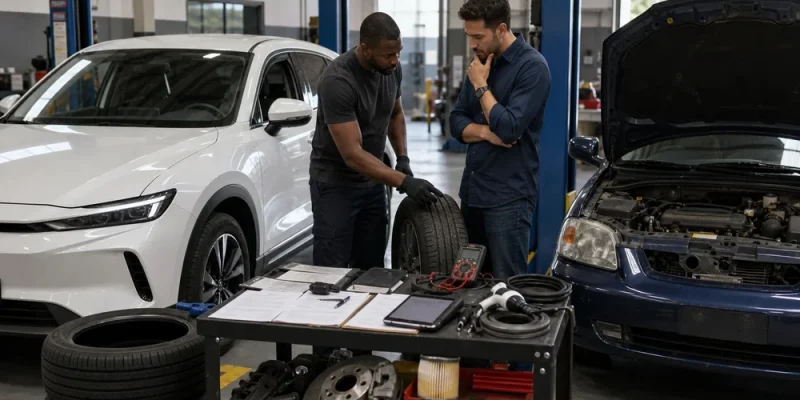
A dealer can import the right EV and still struggle if the showroom is not ready to sell it. First-time EV markets need more than a display car and a price sheet. They need salespeople who can explain charging, service staff who understand basic high-voltage safety, and a delivery process that turns buyer anxiety into clear ownership steps.
The Showroom Has to Demonstrate Ownership
The first fix is the showroom conversation. Buyers may like the cabin, screen, and quiet drive, but they usually ask practical questions very quickly. Where do I charge? How long does it take? What happens if the charger does not work? What is the real range in local heat, hills, traffic, or highway use? Who explains the software?
A prepared dealer should have simple answers. A small charging demonstration, a cable and adapter explanation, a map of common charging options, and a short handover sheet can make the EV feel less unfamiliar. The goal is not to turn every salesperson into an engineer. It is to make sure no basic ownership question is answered with a guess.
The physical showroom should also support the message. A visible charger, labelled cable set, simple wall graphic, and clear test-drive routine can do more than a long sales script. When customers see the charging process in person, EV ownership becomes a normal routine rather than an abstract technology discussion.
For broader operational reading, Starvia’s Chinese EV market guides cover related topics such as charging, software, driver-assist features, and after-sales readiness.
The Service Bay Must Be Involved Early
The second fix is service readiness. EVs reduce some traditional maintenance items, but they do not remove after-sales work. Tires, brakes, suspension, cooling systems, software checks, charging-port care, 12-volt battery issues, and body repairs still matter. Technicians need to know what they can inspect, what requires specialist support, and when a vehicle should not be touched without proper procedure.
This service preparation should happen before the first customer delivery. If the service team only learns about the EV after a customer reports a problem, the dealer looks unprepared. A better approach is to review the model, charging system, diagnostic access, safety guidance, and parts path while the vehicle is still being prepared for retail.
Service reception staff need training too. They are often the first people to hear a customer describe a warning message, charging problem, or software concern. If they know the basic language of EV ownership, the customer feels supported before a technician even sees the vehicle.
The Delivery Process Is the Product
The third fix is handover. EV buyers remember the delivery experience because that is where the ownership routine becomes real. A good handover should cover charging steps, dashboard messages, basic energy settings, emergency support, warranty contacts, software language, tire pressure, and realistic range language under current local use.
Dealers should also decide what not to promise. If public charging is still uneven, say so clearly. If a feature depends on software version or local connectivity, explain that before delivery. Honest limits make the dealer sound more professional, not less confident.
The first EV deliveries should be reviewed internally. Which questions slowed the sale? Which handover steps confused buyers? Which service questions appeared in the first month? Those lessons should be built into the next delivery pack.
An EV-ready dealership is built through small operational habits. The showroom explains. The service bay prepares. The delivery team teaches. For a broader EV-ready dealership checklist, Starvia’s related article covers the readiness steps dealers should complete before selling EVs at scale.





Comments