
 By
By 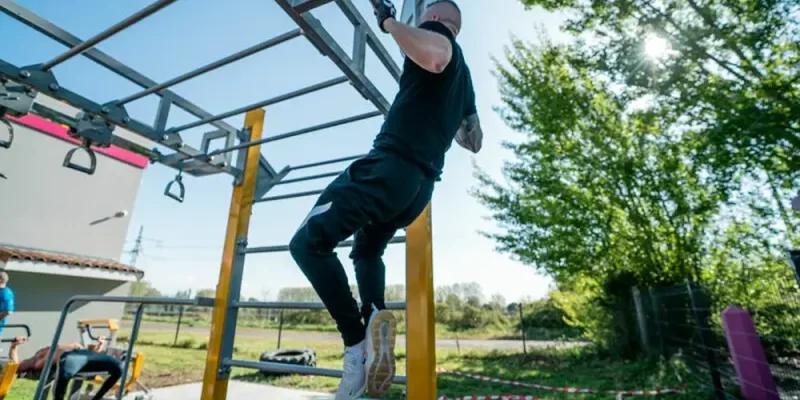
A walk through a modern park reveals more than just playgrounds and walking trails. Outdoor fitness equipment is now a staple in many communities, inviting people to get active in the fresh air. But what guarantees a safe workout on these open-air machines? The answer lies in a careful blend of smart design, durable materials, clear guidance, and inclusivity.
Why Is Safety Crucial in Outdoor Fitness Equipment?
Risks exist with any exercise equipment, but in public, unsupervised spaces, those risks multiply. Outdoor fitness stations face the wear of changing seasons, potential vandalism, and users with diverse experience levels. One faulty bolt or sharp edge can quickly turn a healthy workout into a hospital visit.
When safety drives equipment design, users gain confidence. They focus on their workout, not on worrying about slipping on a cracked platform. Equipment that lasts and resists weather also promotes a sense of trust within the community, encouraging repeated use and better public health outcomes.
What Materials and Construction Features Ensure Safety?
Materials are not just about aesthetics. Stainless steel, powder-coated metals, and high-density plastics stand up to rain, wind, and harsh sunlight. These materials resist rust and cracking, minimizing the risk of sharp edges or broken parts that can cause injury.
Design also plays a pivotal role in injury prevention. Smooth edges, non-slip surfaces, and tamper-resistant fasteners keep hands and feet protected. Components must be securely anchored, and moving parts should be shielded or limited to prevent pinching or trapping fingers. The best equipment undergoes rigorous testing to meet or exceed safety standards.
How Important Is Accessibility and Inclusivity in Safety?
Safety is not one-size-fits-all. Legal requirements, such as Ontario’s accessibility laws, mandate that outdoor fitness installations serve all users, including those with disabilities. This involves more than just adding a ramp; it means designing stations that are usable from a seated position, with clear spaces for wheelchairs and walkers.
By embracing universal design, equipment welcomes a broader audience and reduces the chance of accidents. Handrails, contrasting colors, and intuitive layouts help users with visual or mobility impairments navigate safely and use the equipment as intended.
What Role Do Instructional Signage and User Guidance Play?
Clear instructions are a silent safety feature. Outdoor exercise equipment should include weather-resistant signage with diagrams and step-by-step usage guidelines. This is particularly vital in public parks, where trained staff are rarely present.
Effective signs avoid jargon and instead use illustrations and concise language. Reminders about proper warm-up, form, and recommended repetitions can help prevent strains or misuse. Good signage also provides contact information for reporting issues, ensuring that hazards are addressed quickly.
Which Safety Features Address Specific Workout Stations?
Not all stations are built the same. Pull-up and dip bars must be sturdy and set at appropriate heights, with anti-slip grips to prevent falls. Core and lower body stations often involve benches or platforms; these need to offer stable footing and gentle contours to support joints and avoid sharp pressure points.
Manufacturers like Inspire Play outdoor fitness equipment incorporate clear, instructional signage and adjust station design to match a range of abilities, elevating both safety and inclusivity.
How to Inspect and Maintain Outdoor Fitness Equipment for Safety?
Vigilance is crucial before each use, even with the highest quality installations. Users should quickly check for loose bolts, rust, or debris. If something feels unstable, it’s best to skip that station and alert park management.
For park operators, a regular maintenance schedule is non-negotiable. Routine inspections, prompt repair of wear and tear, and seasonal updates ensure the equipment remains safe year-round. Records of these checks support accountability and public trust.
How Can Outdoor Fitness Areas Be Designed to Maximize Safety?
The surface beneath fitness stations can make or break injury rates. Shock-absorbing materials like rubber mulch, engineered wood fiber, or poured-in-place rubber reduce impact if a user falls.
Equally important is layout. Sufficient space between stations prevents accidental collisions and allows for unobstructed movement. Thoughtful placement encourages safe, flowing workouts without bottlenecks or hazards.
What Innovations Are Shaping Safer Outdoor Fitness Equipment?
Smart technology is quietly reshaping safety. Some modern outdoor fitness stations are equipped with sensors to monitor usage, track wear, and even alert managers when maintenance is needed.
Emerging designs go beyond function by addressing user comfort and injury prevention. Ergonomic grips, accessible heights for users with different statures, and intuitive signage work together to create a safer, more inclusive exercise experience.
In the end, the safest outdoor fitness equipment is the result of meticulous design, regular upkeep, and a commitment to serving everyone in the community. When you step into your local park for a workout, these invisible safeguards are what make the difference between a risky guess and a confident, healthy routine.



Comments