
 By
By 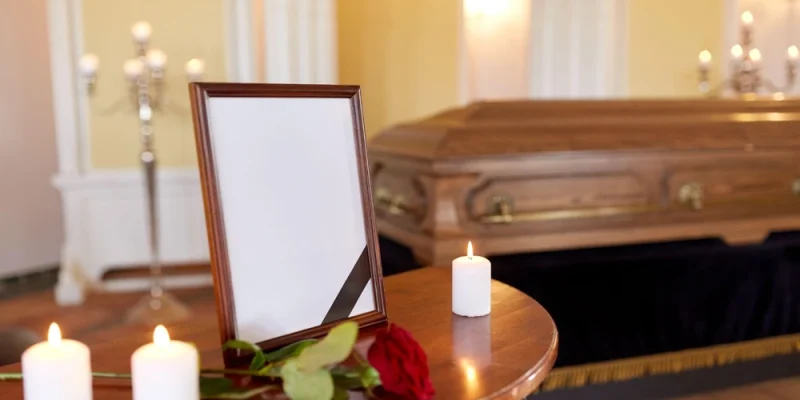
Funeral services, wakes and memorial services all provide opportunities to acknowledge a person’s death and support those who are bereaved. However, they differ in their purpose, timing, format and whether the deceased is present.
Understanding these distinctions can help families plan arrangements that reflect religious or cultural practices, personal preferences and practical requirements. The terminology can also vary between communities, so families may need to clarify what a particular service involves when making arrangements.
What Is a Funeral Service?
A funeral service is a ceremony held following a person’s death, typically before burial or cremation. It usually provides a structured setting for family members and others to remember the deceased and formally mark their death.
The format varies according to religious beliefs, cultural customs and family preferences. Common elements may include:
- Readings, prayers or other religious observances
- Eulogies or spoken tributes
- Music selected for the ceremony
- A period of reflection
- A procession or other ceremonial practices
- Burial or cremation arrangements following the service
The deceased is generally present in a coffin or casket during a funeral service, although practices vary. The service may take place at a place of worship, funeral venue, crematorium, cemetery or another suitable location.
Funeral services are therefore generally connected directly with the handling and final disposition of the deceased. This distinguishes them from memorial services, which do not necessarily take place before burial or cremation.
What Is a Wake?
A wake is a gathering that gives relatives, friends and other members of the community an opportunity to pay their respects and offer condolences. Depending on cultural and religious traditions, it may take place before the funeral and last for several hours or multiple days.
A wake is often less structured than the main funeral ceremony. Activities can differ significantly, but may involve:
- Visiting and paying respects to the deceased
- Offering condolences to family members
- Prayers or religious rituals
- Sharing memories and stories
- Providing food and refreshments
- Receiving visitors over an extended period
Whether the deceased is present depends on the traditions and arrangements involved. In some communities, the coffin or casket is an important part of the wake.
A wake can therefore serve a different purpose from the funeral itself. While the funeral is generally a defined ceremony, the wake may provide a longer period in which people can visit, gather and support the bereaved family.
What Is a Memorial Service?
A memorial service is a commemorative gathering held without the deceased’s body being present. It can take place before or after burial or cremation, although holding it afterwards gives families greater flexibility over timing.
Like funerals, memorial services can incorporate religious, cultural or personal elements. Common features include:
- Eulogies and personal tributes
- Photographs or video presentations
- Music and readings
- Prayers or religious observances
- Moments of silence or reflection
- Shared memories from relatives and friends
Because the deceased does not need to be present, a memorial service can sometimes be organised separately from the immediate funeral arrangements. This can be relevant when relatives live overseas or when families wish to hold a larger commemorative gathering at a later date.
The central distinction is therefore timing and the presence of the deceased. A funeral normally forms part of the arrangements for burial or cremation, while a memorial service can be held independently.
How Can Families Decide Which Type of Service Is Appropriate?
There is no single format that applies to every family. Religious requirements, cultural traditions, the wishes of the deceased and practical circumstances can all influence whether a funeral service, wake, memorial service or combination is held.
Families may consider several factors:
- Religious and cultural practices: Some traditions specify particular ceremonies, rituals or periods for mourning.
- Preferences of the deceased: Written or previously communicated wishes may help guide decisions.
- Family preferences: Families may consider how they want relatives and friends to participate.
- Timing: A memorial service can provide greater scheduling flexibility than arrangements directly connected with burial or cremation.
- Location and attendance: Travel requirements and the expected number of attendees can influence the type and location of a gathering.
- Budget: Venue, duration, transport, ceremonial items and other services can affect overall expenditure.
That said, when reviewing the prices of funeral packages, families can check exactly which arrangements are included rather than comparing the headline price alone. A package may cover specific funeral-related services, while additional arrangements for a wake or separate memorial gathering may be priced differently depending on the provider.
In practice, these events are not necessarily alternatives. A family may hold a wake followed by a funeral and later organise a memorial service, depending on its traditions and circumstances.
Reach out to Confidence Funeral Services and let us help you plan a farewell that reflects what matters.





Comments