
 By
By 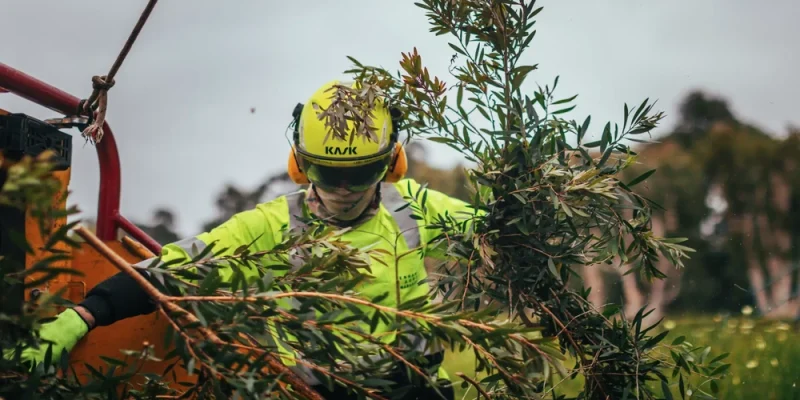
A tree that has been regularly maintained and one that has been left to grow unchecked look similar from a distance. Up close, the difference is significant. Trained branches resist wind loading. Cleared deadwood does not become a projectile during a thunderstorm. A well-maintained canopy allows light to reach the garden below. Tree maintenance services are what keep the gap between those two versions of the same tree from becoming a safety or structural problem.
Singapore experiences some of the most intense convective thunderstorms in the world. In a single hour, a storm can deposit more rainfall than London receives in a week, accompanied by wind gusts that regularly exceed eighty kilometres per hour. Trees that carry dead branches, have structural defects from past wounds, or have developed unbalanced canopies from years of unchecked growth are the ones that fail in these conditions. The branch that lands on a car or a roof structure during a storm usually did not fall without warning. The warning was there in the tree’s maintenance history, or absence of it.
What Tree Maintenance Covers
Proper tree care is a programme of interconnected activities rather than a single service. Crown reduction involves the selective removal of branches to reduce the overall canopy volume and weight, lowering the wind resistance profile and removing the leverage that heavy branches create against the main stem during storms.
Crown thinning removes selective branches from within the canopy to improve air circulation and light penetration without reducing the overall silhouette. This is particularly important for trees growing close to structures, where the weight distribution within the canopy affects the load applied to the root zone during wind events.
Deadwood removal is non-negotiable for trees in occupied spaces. Dead branches retain no flexibility and can fail without significant wind loading. Their removal is one of the most directly safety-relevant activities in tree maintenance.
Why Regular Scheduling Matters
Tree maintenance done once every five years is considerably less effective than an annual or biennial programme. Trees grow continuously. A crown that was well-balanced after a reduction two years ago may have developed new vigorous growth that has restored the imbalance the reduction was intended to correct.
Regular visits allow the arborist to track the tree’s development over time, note changes in condition, and intervene early when problems are developing. A tree with early-stage pest damage or root girdling identified during a routine visit can be treated before the damage becomes irreversible.
Root zone management is another component of ongoing care that single-visit removal does not address. Soil compaction around the root zone reduces oxygen availability and water infiltration. Mulching, aeration, and the management of competing vegetation in the root zone support long-term tree health in Singapore’s often compacted urban soils.
Tree Maintenance for Singapore’s Common Species
Singapore’s urban landscape features a range of tree species with different maintenance requirements. The rain tree, one of the most iconic species in the Singapore streetscape, develops a broad spreading canopy that requires crown lifting over pathways and roads as it matures. Tembusu trees, planted widely in residential estates, develop a dense canopy that benefits from periodic thinning to prevent deadwood accumulation.
Fruit trees in private gardens, including mango, rambutan, and chiku, require annual pruning after fruiting to maintain productive shape and remove crossing branches that can harbour pests. Ornamental palms require regular removal of dead fronds and, for species like the coconut palm, management of developing fruit bunches that pose a falling hazard.
Understanding these species-specific requirements is part of what qualified arborists bring to a maintenance programme. A generic “trim everything” approach, applied by labourers without arboricultural training, frequently results in pruning cuts that damage long-term tree health rather than improving it.
Partnering with a Qualified Provider
Selecting a tree maintenance provider means asking the right questions. Are the arborists certified? What pruning standards do they follow? Do they assess trees before pruning rather than simply cutting to a specified size? Are they familiar with Singapore’s regulatory requirements for protected trees?
A tree care service that operates without trained personnel may provide short-term visual tidiness while causing long-term structural problems through improper cuts that invite decay, branch failure, and pest entry.
The relationship between a property and its trees is long-term. Trees that are maintained well over decades become significant assets, contributing to property value, shade, and the quality of the outdoor environment. Trees that are managed poorly become liabilities that eventually require costly removal.
For property owners and estate managers across Singapore who want trees that contribute positively to their environment for years to come, consistent professional tree maintenance from qualified arborists is the investment that pays for itself in safety, aesthetics, and long-term tree health.


Comments