
 By
By 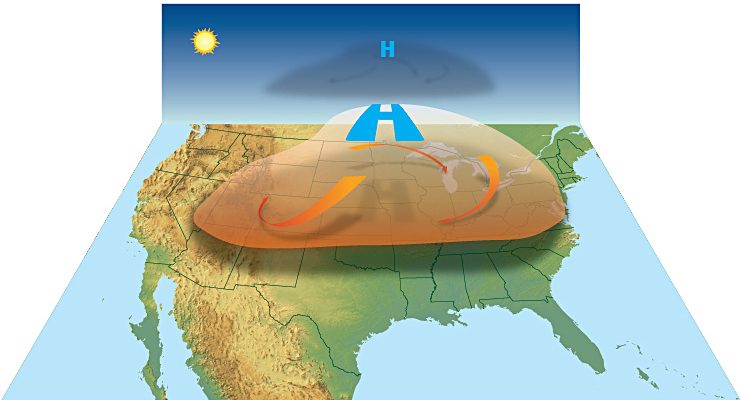
Extreme heat events are becoming more frequent, longer-lasting, and more intense across many regions, placing unprecedented pressure on residential and commercial cooling systems. Homeowners are now rethinking their HVAC setups as traditional air conditioners struggle to maintain consistent indoor comfort during prolonged heat waves. Rising temperatures are also increasing energy consumption, system wear, and the need for smarter, more efficient cooling technologies.
The growing urgency for reliable cooling has significantly increased interest in AC installation in Naples, FL , as property owners look for high-performance systems that can withstand extreme humidity and heat. Modern air conditioning solutions are no longer considered optional comfort upgrades but essential components of safe and energy-efficient homes. As heat waves intensify, demand for advanced HVAC systems continues to grow rapidly across residential and commercial sectors.
Rising Temperatures Are Reshaping Cooling Expectations
Heat waves are no longer short-term seasonal events. Many regions now experience extended periods of extreme heat that push HVAC systems to their limits for weeks at a time.
Why Traditional Cooling Systems Are Struggling
Older air conditioning units often lack the efficiency and capacity required to manage prolonged high temperatures. These systems may cycle continuously, consume excessive energy, or fail to maintain consistent indoor temperatures. As a result, homeowners experience uneven cooling, rising utility bills, and increased system breakdowns during peak summer conditions.
Increased Demand for High-Efficiency HVAC Systems
As energy costs rise alongside temperatures, homeowners are prioritizing efficiency-focused cooling upgrades. Modern HVAC systems are designed to reduce energy consumption while improving temperature control and humidity management.
Why Energy Efficiency Matters More Than Ever
High-efficiency systems help reduce strain on the electrical grid while lowering monthly utility expenses. Many homeowners exploring AC installation in Naples, FL, are specifically seeking units with advanced SEER ratings, inverter technology, and smart thermostat compatibility to improve performance during extreme weather conditions.
Benefits of High-Efficiency Cooling Systems:
- Lower monthly energy bills
- Improved indoor temperature stability
- Reduced environmental impact
- Enhanced humidity control
- Longer system lifespan
- Quieter operation
These advantages make advanced systems a practical long-term investment.
Heat Waves Are Increasing HVAC System Failures
Extended periods of extreme heat place significant stress on air conditioning components such as compressors, coils, and fan motors. Continuous operation without adequate rest can lead to overheating and mechanical failure.
Common Causes of Heat-Related Breakdowns
Clogged filters, low refrigerant levels, dirty condenser coils, and outdated system components often contribute to reduced performance. When systems are overworked, minor issues can escalate quickly into major repairs or full system replacements.
Warning Signs of Cooling System Strain:
- Weak or inconsistent airflow
- Warm air from vents
- Frequent short cycling
- Rising humidity indoors
- Unusual system noises
- Sudden energy bill spikes
Early intervention helps prevent costly breakdowns during peak heat periods.
Smart Cooling Technology Is Becoming Essential
Modern cooling systems are increasingly equipped with intelligent features that allow homeowners to manage temperature and energy use more effectively.
How Smart HVAC Systems Improve Comfort
Smart thermostats and zoned cooling systems allow precise temperature control across different areas of the home. These technologies adapt to usage patterns, reduce unnecessary energy consumption, and maintain stable indoor comfort even during heat spikes.
Homeowners are also integrating mobile controls that allow remote system adjustments, improving convenience and efficiency during unpredictable weather changes.
Humidity Control Is Now a Major Priority
High heat often comes with increased humidity, which can make indoor environments uncomfortable and unhealthy if not properly managed.
Why Moisture Balance Matters
Excess humidity can encourage mold growth, damage wooden structures, and reduce indoor air quality. Advanced cooling systems now include enhanced dehumidification features that help maintain balanced indoor conditions while improving overall comfort.
Key Indoor Comfort Improvements:
- Better air quality
- Reduced mould risk
- Improved sleep quality
- Less strain on HVAC systems
- More consistent cooling performance
These benefits are especially important in regions experiencing prolonged heat waves.
Climate Change Is Driving HVAC Upgrades
Long-term climate trends are influencing how homeowners approach cooling system investments. Heat waves are becoming more frequent, prompting a shift toward durable and future-ready HVAC solutions.
Why Homeowners Are Upgrading Systems
Many older systems were not designed for today’s extreme temperature patterns. As a result, homeowners are upgrading to more resilient units that can handle higher cooling demands without excessive energy consumption or frequent breakdowns.
Common Upgrade Motivations:
- Rising summer temperatures
- Frequent system repairs
- High electricity costs
- Poor indoor comfort levels
- Outdated HVAC technology
- Increased humidity issues
This shift reflects a broader focus on long-term energy resilience.
Professional Installation Ensures Maximum Efficiency
Proper installation plays a critical role in system performance, especially during extreme weather conditions. Even the most advanced air conditioning units can underperform if installed incorrectly.
Why Expert Installation Matters
Professional HVAC technicians ensure correct system sizing, proper airflow calibration, and efficient refrigerant levels. They also evaluate insulation, ductwork, and home layout to optimize cooling performance.
Proper installation helps reduce energy waste while improving system reliability during peak demand periods.
Cooling Demand Will Continue Rising
As global temperatures continue to rise, demand for advanced cooling solutions is expected to increase significantly. Homeowners are prioritizing energy-efficient systems that can deliver reliable comfort even during prolonged heat waves.
Future Cooling Trends:
- Greater adoption of smart HVAC systems
- Increased focus on energy-efficient upgrades
- Wider use of zoned cooling solutions
- Improved humidity control technologies
- Integration with renewable energy systems
These trends highlight a shift toward more sustainable and intelligent home cooling strategies.
Final Outlook
Seasonal heat waves are transforming how homeowners approach indoor cooling, driving demand for advanced HVAC systems that offer efficiency, reliability, and smart functionality. Rising temperatures, humidity challenges, and increased energy costs are encouraging more property owners to upgrade outdated systems. Professional installation, modern technology, and energy-efficient designs are becoming essential for maintaining comfort during extreme weather conditions. As climate patterns continue to evolve, investing in advanced cooling solutions will remain a key priority for long-term home comfort and energy stability.



Comments