
 By
By 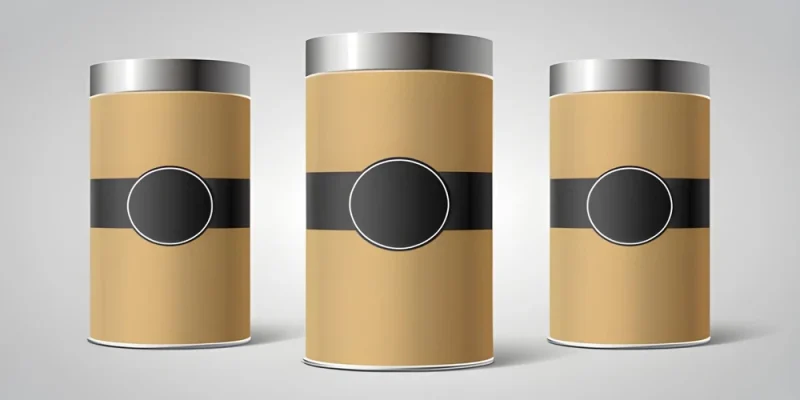
Custom metal packaging helps brands protect products while building a distinctive identity. Beyond strength and durability, metal containers communicate brand personality through colour, finish, shape, and printing. Thoughtful customisation attracts attention, enhances presentation, and creates memorable customer experiences.
When comparing aluminum vs tin, you should note that aluminium’s lightweight properties and tinplate’s steel base with a thin tin coating make both of them a feasible option in the long run. uCan-Packaging wholesalers offer metal packaging solutions with custom colours, finishes, shapes, and printing options.
Choosing the Right Colours
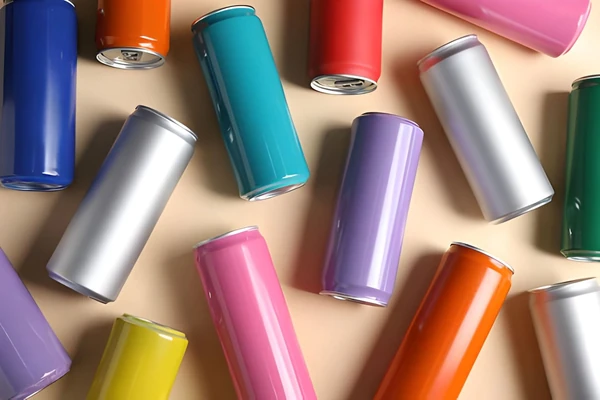
Colour is often the first feature customers notice on a package. It can help a product stand out on a crowded shelf and reinforce brand recognition. Businesses can choose colours that match their existing brand identity or create a new look for a particular product range.
Bright and bold colours may help convey energy and creativity, while softer shades can communicate simplicity or elegance. Metallic tones, such as silver, gold, and bronze, can also create a premium appearance. Consistent use of colours across packaging can help customers recognise a brand more easily.
Exploring Different Finishes
The surface finish of a metal container can significantly influence how it looks and feels. A glossy finish creates a smooth, reflective appearance that can make colours appear vibrant. A matte finish offers a more understated look and can give packaging a refined feel.
Other options may include brushed-metal effects, textured surfaces, or selective gloss details that highlight specific design elements. The choice of finish should complement the product, brand identity, and intended customer experience. Practical considerations, such as handling and the container’s intended use, should also be taken into account.
Creating Distinctive Shapes
Shape is an important element of custom metal packaging. Beyond conventional cylindrical containers, brands can explore rounded edges, slim profiles, square designs, or special shapes.
Distinctive designs improve shelf presence and memorability, while practical considerations such as storage, transportation, handling, and customer use ensure packaging balances visual appeal with everyday functionality.
Making an Impact with Printing
Printing allows brands to communicate product information and visual identity directly on the packaging. Logos, typography, illustrations, patterns, and product details can all contribute to a cohesive design.
High-quality printing can help create sharp graphics and clear text. Businesses may choose minimalist designs for a clean appearance or detailed artwork for a more expressive presentation. The placement and size of printed elements matter too: important information should remain easy to read, while branding should be clearly visible.
Balancing Design and Practicality
Although customisation offers many creative possibilities, packaging decisions should also account for the product’s needs and the intended market. Factors such as container size, durability, closure type, printing requirements, and budget can affect the final design.
It is useful to review design samples before confirming a large order. This allows businesses to assess the colours, finishes, shape, and printed details together, helping ensure that the finished packaging reflects the original concept.
Conclusion
Custom metal packaging combines product protection with distinctive presentation. By choosing suitable colours, finishes, shapes, and printing, brands can express their identity and connect with customers. Thoughtful design balances visual appeal with practicality, creating packaging that is recognisable, functional, and product-appropriate.






Comments